
How To Use Essential Oils For Best Possible Results In Lung Healing?

Lung health is a topic that many people don't think about on a regular basis, yet it would probably be the first thing on our minds if something were to go wrong. Ever since I started my research into the topic of respiratory health, it really dawned on me how critically important it is to take care of your lungs. After all, there's a reason why the lungs are called one of your "vital organs" - if they're not healthy, it could be a threat to your very life.
As unbelievable as this sounds, the average person takes more than 6 million breaths per year according to the American Lung Association. This means that your respiratory system stays very busy on a daily basis, and your lungs are working 24/7 to keep you alive and healthy. With that kind of astronomical workload, it only makes sense to take care of it as best as you can.
I'm going to share some simple tips to help you take care of your lungs and overall respiratory system, but before I dig into them, I think it's good to start off with a basic explanation of the respiratory system itself.
The Respiratory System and How It Works
Your respiratory system is made up of three main areas:
- The airways, which include your mouth, throat, windpipe, nose, sinuses, and bronchial tubes. Each one of these components has highly complex features that play a specific role in breathing and respiration. For example, your sinuses are responsible for regulating the humidity and temperature of inhaled air, and the hairs inside your nose act as a cleaning system for inhaled air as well.
- The lungs and blood vessels, which work together to take inhaled oxygen and transmit it into the bloodstream. Your lungs basically push the oxygen from inhaled air into the bloodstream via a network of blood vessels known as capillaries. This carries oxygen to every cell of your body, and in return, the cells exchange this oxygen for carbon dioxide, which is pushed back through the bloodstream and purged from the body via exhaled air.
- There are also important muscles and bones that are a part of the respiratory system. Your diaphragm is a strong muscular wall that separates your chest cavity from your abdominal cavity, and it helps you draw in air and expand your lungs. Your ribs are bones that have a little bit of flexibility, as they can move ever so slightly in order to help your lungs with the job of expanding and contracting.
This intricate, multi-faceted set of components is what makes up your respiratory system.
When you add it all up, the basic job of your respiratory system is to take in fresh air to nourish your body, and then remove waste gases from your system. It does this over and over again, to the tune of roughly 17,000 breaths a day! This staggering fact alone is enough for anyone to see why we should pay attention to our lungs!
My Tips For Optimal Lung Health

Your lung capacity will naturally decline as you get older, but there are several things you can do to take care of your lungs and keep them healthy every day. Below are some simple yet highly effective tips to ensure optimal lung health.
1. Don't smoke
You've probably heard this over and over again through various PSA's on TV, but the message cannot be overemphasized. According to the American Lung Association, smoking cigarettes is the number-one cause of lung cancer, as well as chronic obstructive pulmonary disease (COPD).
Cigarette smoke contains literally hundreds of harmful chemicals - many of which are known carcinogens - which can irritate the lungs and cause chronic inflammation or swelling that blocks the airways. This can trigger chronic bronchitis, producing the persistent cough so aptly named "smoker's hack". Not only that, but cigarette smoke literally deteriorates the tissue in your lungs, often setting the stage for cancerous cells to begin to form.
There are also a host of other related ailments that can be brought about by smoking, including premature wrinkling, leukoflakia (a.k.a. "smoker's patch"), arthritis, peptic ulcers, tooth pain and decay, gastrointestinal difficulties, insomnia, headaches, and heart disease, just to name a few. I realize that quitting smoking is much easier said than done, but do your best to use every natural and medicinal aid at your disposal to help you in your fight - after all, your very life is on the line.
2. Exercise on a regular basis
Your lungs definitely get a regular workout as-is, but engaging in moderate to rigorous exercise will improve their capacity and efficiency of oxygen delivery even more. This is a win-win, because exercise helps so many other areas of your health as well.
3. Avoid exposure to outdoor and indoor air pollution
Yes, this is another task that is easier said than done, but there are some things you can do to mitigate the amount of pollution you expose yourself to. For example, you can make your home and car smoke-free areas, and avoid getting in the way of second-hand smoke that you might be exposed to when you're out and about.
Pay attention to smog alerts and other official air quality reports from your local government. Have your home tested for radon, which is a colorless and odorless gas that is emitted naturally by rocks and soil. This subtle gas that can infiltrate homes through poorly sealed basement floors, cracks in walls or foundations, and other openings.
Asbestos is another silent killer you need to watch out for. It's an invisible carcinogen found in many products used in the industrial and commercial industries during the 20th century. The exposure to asbestos puts you at risk of developing mesothelioma - a rare cancer that primarily develops in the lining of the lungs. Asbestos can be found in places built before 1980, so if you live in an older house, make sure to get it inspected! Avoid prolonged exposure to cleaning supplies and other household chemicals. In addition, consider purchasing a couple of indoor air purifiers to help clean the air of various spores, dust and pet dander that naturally floats around the house.
4. Practice breathing exercises
Deep breathing is a great way to "max out" the oxygenation of your blood. Just inhale slowly through your nose until you feel like your lungs are completely full, and then hold it for about 1 to 2 seconds. Now exhale slowly through your mouth, allowing as much air to escape as you can before repeating the cycle again. Perform this exercise for about 2 to 3 minutes at a time, and repeat at various times throughout the day.
5. Use essential oils to promote lung health
While herbal remedies have been used to heal lungs since long, using essential oils is also extremely beneficial for the lungs. For example, eucalyptus oil, which is the most commonly used essential oil for healing lungs, is a potent antiseptic, expectorant and decongestant that can benefit and improve the entire respiratory system. It is possible to make a highly effective herb inhalation to clean and strengthen the lungs.
You can also inhale the steam of bergamot, rosemary or peppermint to open up your bronchial passages and eliminate the presence of bacteria in your lungs. Just bring 2 to 3 cups of water to a boil, transfer to a glass bowl and add 5 to 10 drops of one or more of the above essential oils. Put a towel over your head, bring your face close to the bowl (not too close to burn yourself) and then start gently inhaling the steam. Just remember to keep your eyes closed to avoid burning or watering. You can repeat this up to 3 times a week for optimal and healthy lungs.
Now, lets dive deep into the world of essential oils and explore how they can be used effectively to improve your overall respiratory health.
Recommended Product For Respiratory & Lung Support
This highly effective blend of nutrients & natural herbal extracts was designed specifically for your lungs, to help support the respiratory system for better lung health so you can breathe comfortably through the seasons. Click here to read more about the lungs and bronchial relief spray.


Which Essential Oils Can Be Used For Healing The Lungs?

Time and time again, I’m always telling my Oliviarites that there’s no better way to make use of essential oils than with aromatherapy. Sure, it might be the most economical method of getting the most out of your precious oils, but did you also know that the lungs allow the healing properties of essential oils to efficiently sneak into your body.
Once inhaled, essential oils spread their therapeutic properties all around the body starting with the lungs themselves. Some of the ways essential oils support lung health include fighting off airborne infections, boosting the immune system, opening up the airways for more oxygen intake, combating allergies, and much more. Keeping that in mind, here are some other essential oils you can use for healing lungs and keeping them healthy:
1. Eucalyptus Essential Oil
This one’s a no brainer; it is the main ingredient in many over-the-counter medication after all. Easily identifiable by its potent, vivid and unmistakable aroma, Eucalyptus EO is hands down the best when it comes to anything respiratory.
That’s because the oil comprises of a unique set of compounds that make it ideal for the lungs. These include antibacterial, antimicrobial, and antispasmodic properties. But it’s got to be the oil’s unrivaled ability to decongest the respiratory system that makes it king.
It breaks up phlegm and mucus along the airways for easier breathing and fights off any respiratory infections along the way. As a bonus, eucalyptus oil stimulates regeneration of lung tissue by boosting blood and nutrient circulation.
2. Rosemary Essential Oil
One of the many reasons why Rosemary EO is becoming a household staple is due to its antioxidant properties. If ever there was a fountain of youth somewhere, you can bet that rosemary is growing somewhere nearby.
These properties combined with its anti-inflammatory nature make it the best at reversing any damage done to the lungs. The oil can also boost the immune system and contains a mild sedative that helps with allergies, sore throats and several other respiratory ailments.
3. Camphor and Thyme Essential Oil
Here’s a combination that can help clear the symptoms of almost any respiratory issue. Researchers have found that when inhaled, Thyme EO has a relaxing effect on the lungs that promotes deep, rich and clear breathing. These effects combine well with camphor to create an antispasmodic, anti-inflammatory, antibacterial and calming blend.
4. Black Pepper Essential Oil
We’ve all seen cartoons where one whiff of pepper sends the whole room into uncontrollable sneezing fits. When harnessed, the power of black pepper essential oil is more than enough to clear up a wide range of allergies and lung specific illnesses. This includes asthma, sinusitis, bronchitis and many other issues
5. Peppermint Essential Oil
The expectorant qualities of Peppermint essential oil help in the treatment of upper respiratory congestion caused due to asthma, bronchitis, allergies, colds, flu etc. For the same reason, peppermint essential oil is an essential ingredient in lung healing balms available on the market. In contrast to prescription drugs and OTC therapies, peppermint essential oil is completely safe to use and does not cause any drowsiness or other adverse effects.
6. Lavender Essential Oil
Lavender is one of the best essential oils to eliminate infection in lungs. Studies have proven that lavender, when combined with eucalyptus, can kill 70 percent of the staphylococcus bacteria present in the lungs.
5 Effective Lung-Healing Essential Oil Blends / Recipes

1. Recipe for Mucus in Lungs
Knowing what the functions of your lungs entail, the last thing you want is mucus or fluid to build up in there. Typically, the main causes of excessive mucus in the lungs are usually allergens, pollutants, smoke, and lung diseases such as COPD. If left unchecked, the mucus could make breathing impossible.
In this case, the best essential oil for the job would be Eucalyptus EO. This is because of its unrivaled expectorant ability that allows it to decongest the respiratory system. Eucalyptus will break up phlegm and mucus along the airways so you can breathe easier. If you’ve got mucus in your lungs, try this here recipe:
Homemade EO Vaporub
Ingredients
- 12 drops Eucalyptus EO
- 8 drops Rosemary EO
- 10 drops Peppermint EO
- 2 tablespoon shea butter
- 2 tablespoon coconut oil
Directions
In a hot water bath, melt the shea butter and coconut oil together. Once melted, stir as it cools and add in the essential oils. Let it set for an hour or so in a dark glass container. To make use of the blend, apply a bit on the chest, back, neck and soles of feet to encourage mucosa breakdown.
2. Recipe for Lung Inflammation
Out of all the currently diagnosed lung diseases and respiratory disorders, there’s one unifying factor to be noted. One particular symptom reigns supreme when it comes to health issues affecting the lungs – inflammation.
From simple common colds to more complex ailments like pneumonia and cancer, the inflammation of tissue layers lining the lungs is an all too common occurrence. To bring down lung inflammation, try the following blend.
Respiratory Anti-Inflammatory Blend
What you need
- 6 drops Camphor EO
- 4 drops Thyme EO
- 3 drops Rosemary EO
- Bowl of hot water
- Towel
Directions
Fill a bowl halfway with hot, boiling water and place it in front of you. Add in the essential oils and stir to combine. Sitting in front of the bowl, lean forward and create a tent over your head with the towel. Stay there inhaling deeply for about 10 minutes; the inflammation should come down soon. Repeat 3 times every day for consistent therapy.
3. Recipe for Emphysema
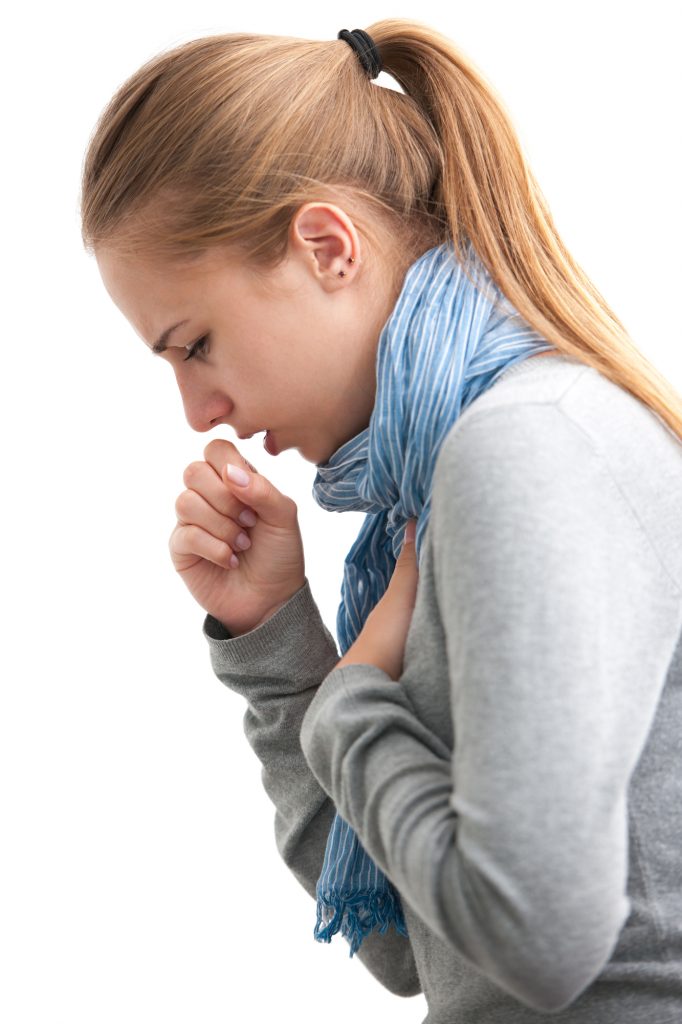
Emphysema can be described as a progressive lung disease that causes shortness of breath due to air sacs overinflating. This leads to destruction of the lung tissue associated with exchange of gases. As a result, exhalation is slowed with little to no movement of gases through the alveoli.
That’s why the best essential oil for emphysema has to be able to boost blood circulation to the lungs. Naturally, Eucalyptus EO boasts of strong stimulating properties that will work well to our cause. Black pepper also shows some promise in promoting nutrient flow back to the lungs.
Oxygenating Blend for Emphysema
Ingredients
- 14 drops Eucalyptus EO
- 6 drops Peppermint EO
- 10 drops Black Pepper EO
- Quarter cup beeswax
- Half a cup of coconut oil
Directions
When dealing with emphysema, shortness of breath is to be expected. To boost oxygen levels in the lungs, you’ll need the right combination of essential oils. Start by melting the beeswax in a mason jar over water and add in the coconut oil. Once it cools, add in the EOs and stir thoroughly. Now you have a vaporub that will clear mucus as well as boost oxygen intake in the alveoli.
4. Recipe for Lung Damage
Looking at all the above respiratory issues, it’s clear that the lungs are a huge target for a wide range of diseases. Whether as a result of years of smoking or an unfortunate ailment such as COPD, the lungs can easily get damaged – sometimes beyond repair.
Once your ability to breathe is gone, well… To make sure that any damage to the lungs get reversed early, no other essential oil rivals the rejuvenating abilities of Rosemary EO. Here’s how to make use of it.
Lung Damage Reversal Formula
What you need
- 6 drops Rosemary EO
- 3 drops Lemon EO
- 2 drops Lavender EO
- Diffuser
Direction
This is what we call aromatherapy at its best. All you need to do is drip the essential oils in your unit and diffuse as you normally would through the night. The oils will become airborne for constant inhalation which will help repair the lungs all night long. Most lung damage cases are progressive, so make sure you diffuse the blend every night for maximum benefits.
5. Recipe for Lung Health / Healing

This blend of oils has enough strength to fight respiratory infections and diseases.
Lung Healing Blend
Ingredients
- 4 drops Eucalyptus EO
- 7 drops Ravintsara EO
- 5 drops Birch EO
- 8 drops Peppermint EO
- 5 drops Lemon EO
Direction
Add 6-8 drops of the above blend to your diffuser. Alternatively, you can add 5 drops to a bowl of hot, boiling water and do stream inhalation. This blend can help alleviate signs and symptoms of asthma and pneumonia.
How To Use Essential Oils For Best Possible Relief In Lung Healing?
1. Topical
Dilute the essential oil blend in a carrier oil and apply on the back, chest and the vita flex points of the feet. Application around the inner thighs can improve the circulation of blood in the lungs.
2. Inhalation
For fastest results, inhalation is the way to go. Here is how to do inhalation for best possible results:
- Add 2-3 cups water into a clear saucepan or a small pot. Bring this water to a boil.
- Add 10 to 15 drops of organic eucalyptus essential oil into the boiling hot water and cover the saucepan with a lid. Turn off the burner.
- Remove the pan from the burner and bend your head over the pan with a towel covering your head: this helps make certain that the vapors are not lost in the air.
- Breathe in the eucalyptus steam that emerges out after every 10-15 seconds. When the vapors are in, hold your breath for few seconds and then exhale. Do this for at least three times a day. If needed, more eucalyptus drops can be added (peppermint is a also a good substitute).
Warning
- Try to keep your eyes closed to avoid eye burning or watering.
- Both marjoram and eucalyptus make highly powerful inhalations. Therefore, avoid using both these oils together.
3. Ingestion
It is generally the case that ingesting essential oils is rarely needed. However, if ingestion is what you are going to do, use only the essential oils that are deemed appropriate for such use, i.e. they have to be edible therapeutic or organic grade essential oils. In addition, before ingesting essential oils, always consult a doctor. While some doctors recommend putting few drops of certain essential oils under the tongue to resolve a cough, in my experience, essential oils can best be used topically with proper dilution levels.
4. Use in a suppository
The easiest way to reach the lungs is through the colon. When using this method, the benefits reach the lungs within minutes. Put two to three drops of a suitable essential oil in a capsule and add carrier oil to fill it up to the brim. Castor is the best carrier oil to use, as it is very lubricating.
The ideal essential oil to carrier oil ratio is 1% to 2%, which means 6 or 12 drops of essential oil to one ounce (30ml) of carrier oil respectively. If you intend to use this on a child, use 1% dilutino or less and try first on yourself to make sure that it is comfortable. If the essential oil is properly diluted, it should not sting.
List of Common Lung and Respiratory System Problems
In case you want specific information on each of the most common respiratory conditions affecting the lungs, I've included the relevant information:
1. Asthma
2. Breathing difficulties
3. Bronchitis
4. Colds
5. COPD
6. Coughs
7. Pneumonia
The Final Word
My dad battled with respiratory ailments in the last years of his life. Doctors said that there is nothing they can do for him, until I decided to take matters in my own hand and started using essential oils on him. I can bet that no treatment method or drug prescribed by doctors can ever come close to the healing effects that essential oils offer for the lungs. With the use of essential oils, it is entirely possible to pull someone out of a critical respiratory illness; they are just amazing!
There you have it folks, the secret to maintaining strong, functional, healthy lungs is now yours to enjoy as well as some practical tips to help you improve your lungs and respiratory health. Remember, it’s not about the huge treatments (and costs!) you get later on, but more about the little preventative measures (and savings!) you have earlier. Those are what keep your lungs in peak working condition even as you approach old age.
So, make sure you’re always stocked up on the best essential oils for lung health and put them into practice to keep those vital organs operating at peak performance!
Much appreciated contribution from Dr Ramyead, MBBS


Which oils would treat a fungal infection in the lungs? What is the best way to use them?
Hi Tracy,
I would use a few drops of thyme and eucalyptus essential oils through steam inhalation to deal with a lung fungal infection.
Regards,
Olivia
Greetings, Olivia, from Alex, of Northland, New Zealand. I have been reading with interest the comments here and feel I must ask for advise re Essential Oils, as have been "Blessed" with COPD.
Although now a mere 78 years of age, lung issues, apart from half a dozen M I's a Takasubo, a Status ONE admission for Shortness of Breath, Polymyalgia, I'm doing the best I can, which is not great!!!!i
I met a young woman, who was sure that the oils could be a help, as lungs are a huge concern now!!!!!
Although a moderate smoker, I quit in 2003, and was rewarded with the M I's and later on, lung issues.
I'd be pleased to receive your recommendation to ease the SHORTNESS of BREATH, as quality of life is fast being lost. Inhalers, Nebulizer use, do not do as I'd hope, sadly.
I'll look forward to reading your thoughts about COPD.
Regards, from Alex.
Hi Alex,
Sure, for COPD related issues, you can refer to the post below for more info and if you need further advice, don't hesitate.
https://essentialoilbenefits.com/essential-oils-copd-dealing-worst-group-lung-diseases-known-man/
Regards,
Olivia
It sure would be great if you would include a paragraph urging everyone to test their home for radon. It is the second-leading cause of lung cancer and the LEADING cause of lung cancer among never smokers. Your readers can order a $15 test kit by calling the Radon Hotline of the American Lung Association at 800-383-5992.
Hi Gail,
Thank you very much for your comment, it's much appreciated.
Regards,
Olivia
have a hole in my lungs due to collapse of lung or by fungus that was treated
any way this could be healed by using vaporizing of essential oils.
Thanks for I know the next thing they would say,would be surgery.
Hi Linton,
You will need to consult a doctor about this.
Regards,
Olivia
My mom has COPD and I am gonna try Eucalyptus oil, but would I use this in a diffuser or humidifier or someone other way to get the benefits for my mom? I"m confused with all this info, all over the net, but it never just says... DO THIS FOR COPD.... like, put this oil in the diffuser, and run it for an hour etc... everything is so vague. How do I proceed in helping relieve my mom's copd?
Hi James,
I am in the midst of writing a full post on COPD, I'll have it done and published in the next week or so, stay tuned/subscribed to receive the latest info.
Regards,
Olivia
hi, i have broncheictasis is essential oil could nelp me or cure me?
Hi Toni,
You can refer to the following post for dealing with bronchitis using essential oils:
https://essentialoilbenefits.com/essential-oils-for-bronchitis-dealing-with-clogged-up-vents-and-inflamed-chimneys/
Regards,
Olivia
Let me know about the copd article. My husband has copd. I could use the extra help.
Hi Debra,
Sure, you can refer to the COPD post here:
https://essentialoilbenefits.com/essential-oils-copd-dealing-worst-group-lung-diseases-known-man/
Regards,
Olivia
Hi James Thought you might find this interesting...
http://www.dnafrequencies.com/dp/human.shtml
Hi Rebecca,
Thanks for sharing.
Regards,
Olivia
Hi there. I have COPD and have NEVER smoked. I’m 44 and it was discovered about about 5 yrs ago. I had a old fungal infection in my lungs that had crystallized. I’m a avid gardener and have figured out that it was due to purchasing topsoil sealed in a bag that had gotten wet and stored over the winter to use the next spring. I remember several times opening them old and new with a green mold on them. I also live in a town that has 3 cement plants. Do you suggest using a air purifier in the house or will plants that purify the air suffice? I have read so many things about Myrrh and do you recommend it for COPD and if so with what combinations of oils topically and in a diffuser? I’ve used different ones and wanted to know which ones you think is best? I also have a thick mucus that is stuck in the back of my throat 24/7 that I hack up and it’s been going on for a couple of yrs.
Hi Teresa,
Indeed you can use an air purifier. What you’ll need to check is how find a particle can the air purifier filter out, otherwise there won’t be much benefit gained.
I’m in the process of writing a post on COPD. I think it would be best if I had all the recipes in an article for you to refer to. I’ll try to get that published within the next fortnight or so.
Re the mucus, I would suggest you read the post below and steam inhalation or doing the neti pot daily would be the best course of action.
https://essentialoilbenefits.com/7-ways-you-can-use-essential-oils-for-relief-in-sinus-congestion-headaches-and-infections/
Regards,
Olivia
I would love to read your article on COPD.
Hi Barbara,
The COPD post is here:
https://essentialoilbenefits.com/essential-oils-copd-dealing-worst-group-lung-diseases-known-man/
Regards,
Olivia
Teresa, were you checked for pulmonary fibrosis? I also was never a smoker, I have scarring if the lungs. I have a constant cough that I have seriously had for years. I'm looking for oils to try and assist in controlling the cough, no meds know to man is working.
Have you ever consider checking out Youtube on Lymphatic massage. I have a Lymphatic essential oil recipe you can use with this massage and boy is it wonderful to get clogging out.
1 ounce bottle
5 drops Geranium
5-drops Tangerine
2-drops Helichrysum
Fill bottle to lower neck of bottle with either Sweet Almond oil or Grapeseed oil . Use this with Lymphatic massage . It does take a few weeks to truly feel the full effects.
--------------------------------------------------------------------------------------------------------------------
Also for the Nervous System
4 drops Frankincense
4-drops Clove
4-drops Thyme put them all into a Capsule and take once per day.
Hope this helps for you..
Hi Rebecca,
Thanks for sharing.
Regards,
Olivia
I too have a chronic fungal infection from workplace exposure. I’m also interested in using essential oils. My lungs have been getting worse over the past few months.
Hi Dee,
Sure, welcome to the 'oily' world and let me know if you need any help.
Regards,
Olivia
I am 54 years old and I was told I had COPD 7 years ago. I immediately quit smoking, but as the years pass by my condition got significantly worse, and I started having serious attacks. I used to be able to exercise, but it became so hard because I`m constantly out of breath. My pulmonologist started me on oral steroids to help control symptoms and minimize further damage but my symptoms never stopped getting worse. In January this year, my pulmonologist and I decided to go with natural treatment and was introduced to essential oils, i had a total decline of symptoms. The infections, shortness of breath, fatigue, dry cough and other symptoms has subsided.
I have had great improvement with my over all respiration with this product and i breath very much easier, i can never be thankful enough to nature
Hi Cornelly,
Thanks for sharing, much appreciated.
Regards,
Olivia
What Essential Oils did you use?
Have you considered taking Chlorella tablets? These will build up oxygen in the body as well as a load of other benefits.
Hello Cornelly,
Could you share more about the essential oils that you used and got benefit? Thanks.
What essential oil did you start on my copd is at its worst.
I have been a firm believer in, and user of, EO's for several years. My dad has been diagnosed with Fibrosis of the Lung, for which there is no cure. Would any of these blends help to at least slow the Fibrosis down or help with breathing easier? Thanks!
Hi Amber,
To help with Cystic Fibrosis, you could use a blend of peppermint and frankincense or tea tree to help with breathing. You can either diffuse or use through steam inhalation.
If you have any other questions, please don't hesitate.
Regards,
Olivia
Amber, were you diagnosed with Cystic Fibrosis or Pulmonary Fibrosis? That would help Olivia find what oils will help you the best. My husband has CF, scarring if the lung tissue and is I side the lungs. I have PF which is scarring of the lungs on the outside and sometimes between the lungs and interstitial which then it so called Interstitial Pulmonary Fibrosis. For CF you want oils that will help you get rid of phlegm and with PF you want relief from that constant in productive cough. Hope this helps.
Hi Roberta,
Thanks for your help.
Regards,
Olivia
Chlorella tablets as well will build up oxygen..
I was diagnosed COPD with bronchiectasis for almost 6 years now after having coughed daily for all the previous years. Amoxicillin and Rulide failed to work on this flair up so am on ciprofloxacin, So much time and money is being spent here in NZ making sure that the doctors and nursing staff are treating patients but yet nothing is happening,if not for essential oils i wont be able to get rid of this disease.
Hi Cooper,
Thanks for sharing your experience, much appreciated.
Regards,
Olivia
I just discovered your website and this q&a section. It's extremely helpful. Love it! I have bronchiectasis and recently got pseudomonas and coughing a lot. 2 questions: 1) What can I use either through the nebulizer or with a carrier oil for a rub? 2) what can I use to lessen the coughing?
Hi Susan,
There are a few great anti-bacterial essential oils including tea tree, cinnamon, oregano and thyme. You can add 4-5 drops to 1 tsp of almond oil for a rub. I would not recommend using essential oils in a nebulizer for this condition. For coughs, peppermint, eucalyptus, lemon are excellent. Simply use a few drops in fractioned coconut oil and rub to the throat / chest areas.
Regards,
Olivia
may I ask why not in a nebulizer??
Hi Linda,
A nebulizer turns a liquid (generally medicine) into a mist which helps with asthma by opening the airway, therefore making it easy for the person to breathe.
When used with essential oils, it may beneficial some people in the short term (couple of uses), but the effects of long-term use on the lungs are unknown. Therefore, best to be on the safe side.
Regards,
Olivia
I bought Three books on Essential Oils. I also met with Woman selling good Quality Oils. Then went to Google. I have learned some can be taken internally, some not. Also, some purchased in stores already have carrier oil in them.
I have Severe COPD. Right now am Diffusing Frankinsense and Cedarwood. To "My Dismay", everything I read gives "Different Advice for which oils for COPD!
I DO realize that some oils are useful for a variety of Ailments, but at this point I'm pretty discouraged about this industry!
Hi Kris,
I can totally understand the frustration, seems an overload and inconsistency in information.
If you are after any specific advice, please let me know and I'll try to assist.
Regards,
Olivia
Question from A:
Thank you so much for your post. I'm 45 yr old male suffering from bronchiectasis. I would like to use eucalyptus oil in normal saline for nebulizer. In what ratio should be the solution and whether that would be helpful for bronchiectasis.
Olivia's Response:
It depends on the model of the nebulizer that you have. In general, you could add 5-10 drops of essential oils. Yes, eucalyptus is perhaps the best choice for bronchiectasis. You could add a few drops of peppermint if you want. You can also read more info here:
https://essentialoilbenefits.com/how-to-use-essential-oils-for-best-possible-results-in-lung-healing/
I make often steam with essential oil. Try 1 drop first, because 10 to 15 sure you will not get close to the steam.
Hi Joni,
Thanks for sharing, much appreciated.
Regards,
Olivia
Question 1 from L:
I am researching lung support for inflammation in the lungs due to chemo. At first it was thought to be pneumonia but there is no bacteria (all cultures come back negative) but now is deemed an allergic reaction to the chemo (he had 3 rounds of taxotere given 3 weeks a part).
I came across your site and the list of oils to blend and put on topically. He is in the hospital and they have agreed to allow me to use my oils topically. My question is the ratio of each individual oil. Also what ratio of oils in making the suppositories?
Thanks for you information.
Olivia's Response:
You are welcome.
Can you please let me know which essential oils / recipe you are using and I'll assist further.
Question 2 from L:
Thanks for getting back to me. I found it under your heading of lung health, specifically lung/healing blend recipe which has the following oils: eucalyptus radiata, ravintsara, lemon, birch and peppermint.
Today I used RC and Frankincense on his feet and chest and inner thighs. Before I leave the hospital I'm going to oil him up again and include the back this time. I may have put some eucalyptus on his feet also. His room smells wonderful!
Thanks for the help
Olivia's Response:
You can make up a blend of 5 drops eucalyptus, 3 drops each of ravintsara and birch and 4 drops of lemon and 2 drops of peppermint diluted in 30ml carrier oil (sweet almond, jojoba oil) and apply topically.
In the suppository, you could use lemon essential oil (2 drops) and fill the capsule completely with castor oil. Make sure you have consulted with your doctor before doing so due to your husband's underlying health condition.
If you have any other questions, please don't hesitate.
Hi,
My daughter Got whooping cough at the end of November 2016. She fully recovered - now she has a cold, and it seems to be holding on. I've read plenty of articles that say that future colds can seem worse after the whooping cough. Any suggestions for strengthening the lungs from whooping cough? Thank you!! 😊
Hi Jenny,
I assume your daughter 2 years or older. If so, you can either make up a blend of 2 drops eucalyptus and 4 drops peppermint diluted in 2 tsp. almond oil and rub on her chest. You can also add 3 drops each of lemon and lavender in a diffuser at bedtime. Alternate the above two routines every night.
For colds, you can refer to the article below:
https://essentialoilbenefits.com/best-herbal-remedies-and-essential-oils-for-treating-colds
Regards,
Olivia
Hi Olivia, Would you have any recommendations of essential oils for helping to heal a punctured lung? Thanks, Gudrun
Hi Gudrun,
You can use peppermint and lemon essential oils to help with a punctured lung. Add 8 drops peppermint and 7 drops lemon in 30ml almond oil. Rub on your chest area twice a day and also use the same blend in a diffuser at night.
Regards,
Olivia
I have started diffusing essential oils with a nebulizer (no water) and ever since that time, I have been coughing, a dry cough I had has become productive. I had a bad cold a few weeks back and I thought the chest congestion was gone...I seem to be coughing a lot more now.
I am not a smoker but I have had allergies from time to time from pollens, or molds etc.
Peppermint especially seems to make me feel like I have chest congestion that I need to get out. I need to clear my throat of mucus a lot too.
I also have been using cedar, black spruce, lavender and bergamot. (not all together mind you)
Is it possible, that these oils are causing my lungs to heal, and I am coughing out congestion from perhaps a light asthma (I didnt think I have asthma, it has never been diagnosed, yet, I have a dry barking cough quite often...which would lead me to think that its something like allergies, or asthma or a bit of both)
So...in short, Am I reacting badly to the diffusing, or am I healing?
I have searched everywhere on the internet for answers to this and there are none to be found.
Hi Jennifer,
It is hard to say whether you are healing or there are some other health issues. First of all, I would stop using the nebulizer immediately. Secondly, due to your apparent chest congestion, I would visit a doctor asap just for peace of mind.
Once you are cleared by the doctor, for asthma-related conditions, you can refer to the following article about essential oils for asthma and another one for allergies:
https://essentialoilbenefits.com/essential-oils-for-asthma/
https://essentialoilbenefits.com/essential-oils-for-allergies/
If you have any other questions, please do not hesitate to reach out.
Regards,
Olivia
I don't have a diffuser right now, but I do have three essential oils, two mentioned: tea tree and peppermint. Can I just rub one or both onto my chest, like a few drops? I trying to heal brochitis.
Hi Cheri,
Please don't apply the essential oils undiluted as it may cause skin irritation (slight burning sensation). Instead, you can add 3-4 drops of either essential oil to 1 tsp of almond or coconut oil and rub to your chest.
Regards,
Olivia
Do you sell these oils and blends?
Hi Lora,
I currently have 2 essential oil products of my own, pls refer tot he links below:
https://essentialoilbenefits.com/100-pure-essential-oil-blends-kit-lorpur/
https://essentialoilbenefits.com/essential-oils-for-pain-lorpur/
I'll also have my own brand of organic essential oils (lavender, lemon, peppermint, eucalyptus, tea tree) soon.
Regards,
Olivia
Hi., thank you for sharing. I have COPD and was interested in knowing your thaoughts on how to help relieve symptoms. My Doctor told me that I have chronic bronchitis and emphysema. Anything at this point will be helpful
Thank you,,Janet
Hi Janet,
For breathing difficulties which you may experience due to emphysema and chronic bronchitis, I would start by closely following the procedure described in Section 5 of this article. You can start off by using a blend of tea tree and eucalyptus oils to start off.
If you are after more natural remedies, please let me know and I will assist as required. Please let me know how you progress. Take care.
Regards,
Olivia
My daughter is very young and has been diagnosed with COPD from smoking.
She quit the day they told her. She has having difficulty breathing but also high anxiety and panic attacks. The oils are new to us. Please where do we start ?
Hi Jean,
My apologies for the delay in responding. It is not an easy question to answer.
Firstly, well done to your daughter for quitting on the spot, that is already an excellent start. For anxiety and panic attacks, I would recommend that you start using (as described on the webpage below) the various blends from my own L’orpur 5 essential oils blends kit.
Your daughter will need to relax and calm down before she can start any treatment as being stressed will not help her in any way.
https://essentialoilbenefits.com/100-pure-essential-oil-blends-kit-lorpur/
For breathing difficulties, I would start by closely following the procedure described in Section 5 of this article. It is a fairly simplistic method to follow and you can repeat it on a daily basis in your daughter’s case (although I have said 3 times per week in the article). You simply need eucalyptus oil to start off. I will have my own organic eucalyptus essential oil in about a month if you prefer to wait or simply purchase it online for now.
https://essentialoilbenefits.com/how-to-use-essential-oils-for-best-possible-results-in-lung-healing/
If you have any other questions, please drop me a line and I will be more than happy to answer.
Regards,
Olivia
I have a problem of my lungs not getting oxygen to other parts of my body. I see an acupuncturist and take herbs for this problem. Would essential oils help and how much of which oils? I prefer topical use, if possible. Thank you.
Hi June,
I would start off by using a blend of 5 drops lavender and 12 drops peppermint diluted in 30ml jojoba oil (carrier oil).
Topical use is perfectly fine as per description in the article: use on your back, chest, neck and vita points on the feet.
Regards,
Olivia